
Cortina d'Ampezzo
The Queen of the Dolomites: Italian elegance beneath the Tofane, with skiing that reaches deep into the Dolomiti Superski
Twice an Olympic town, and still the Queen of the Dolomites.
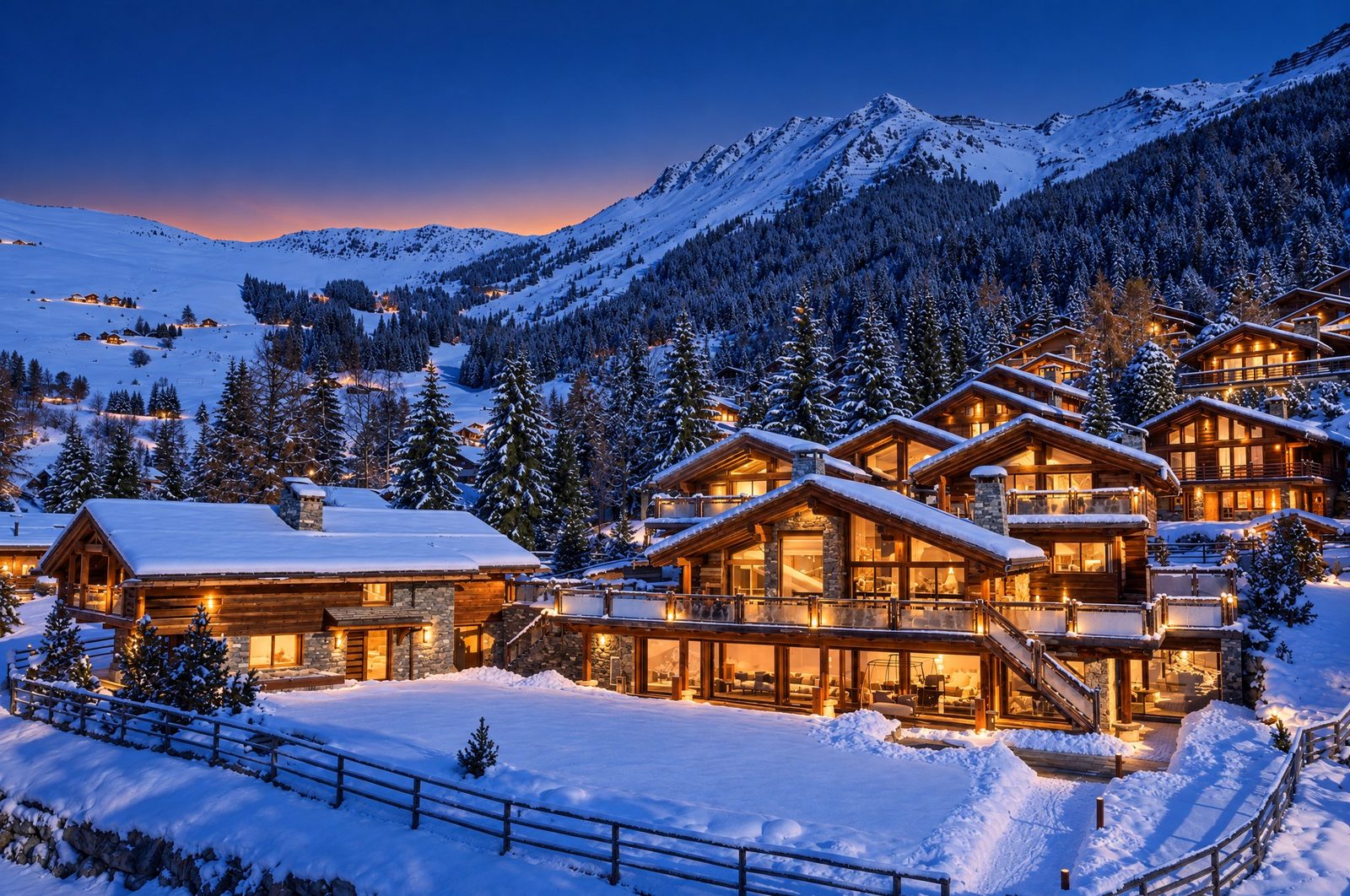
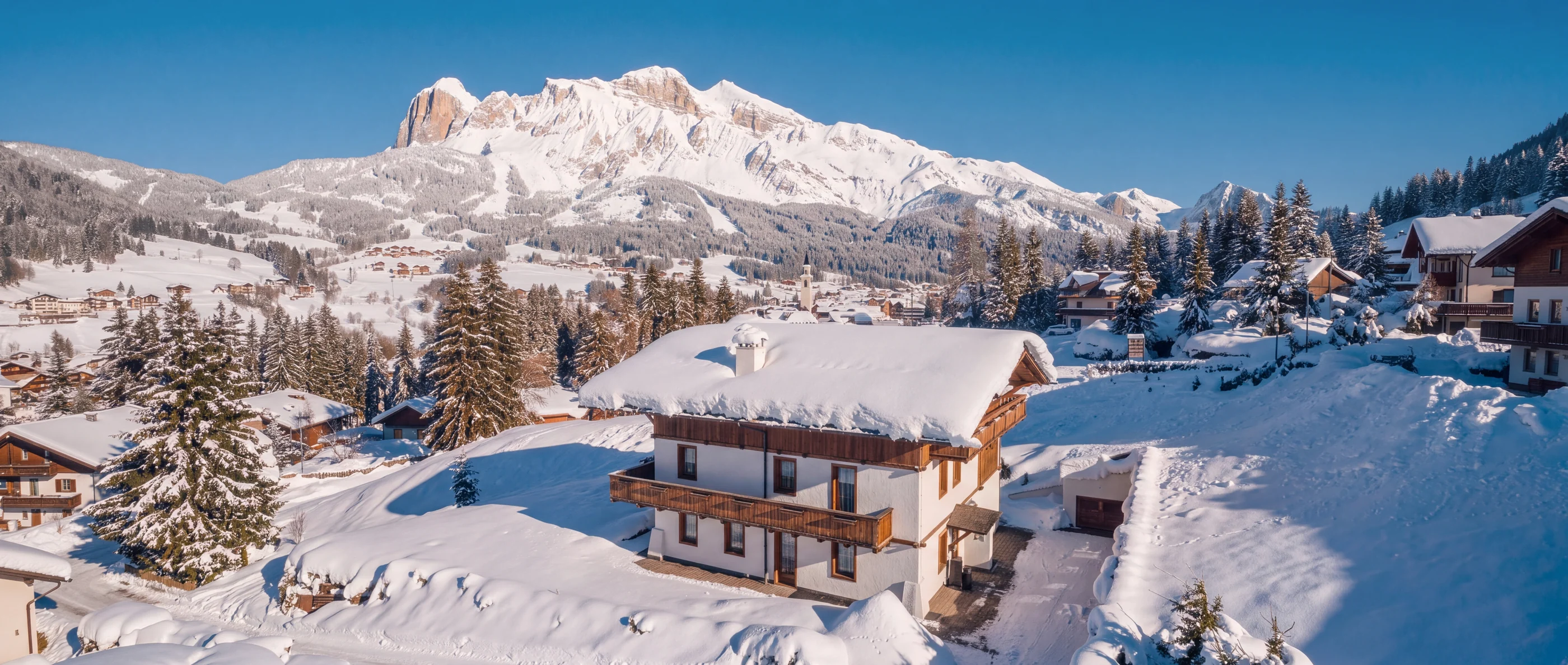
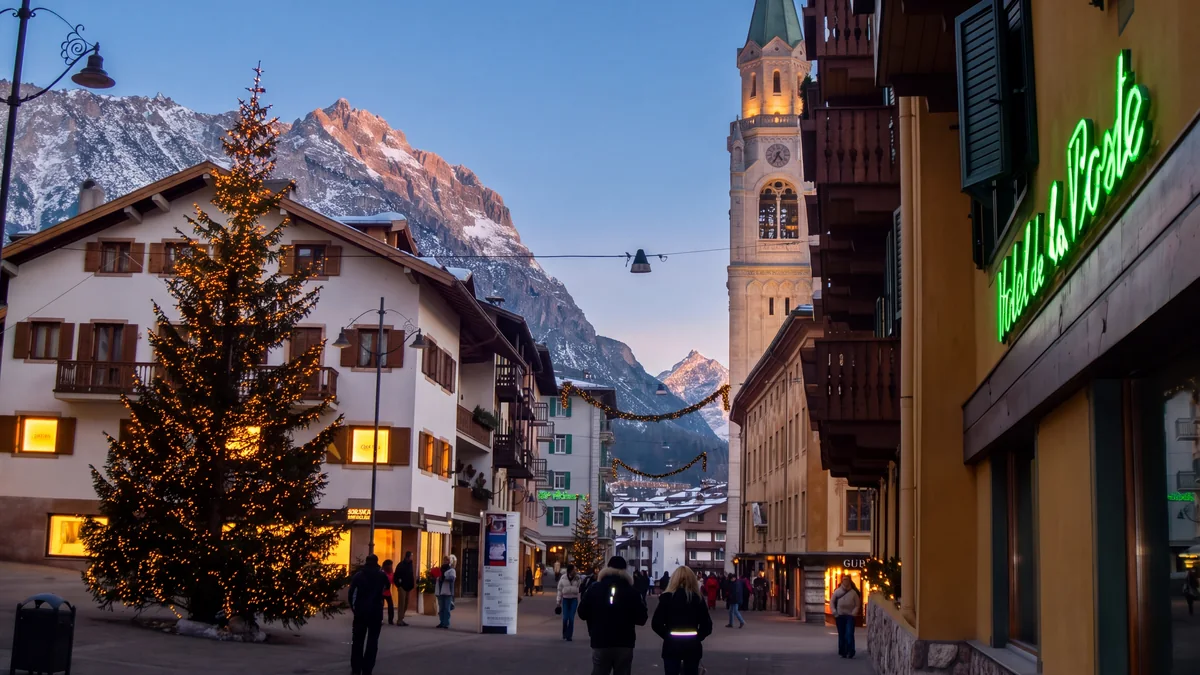
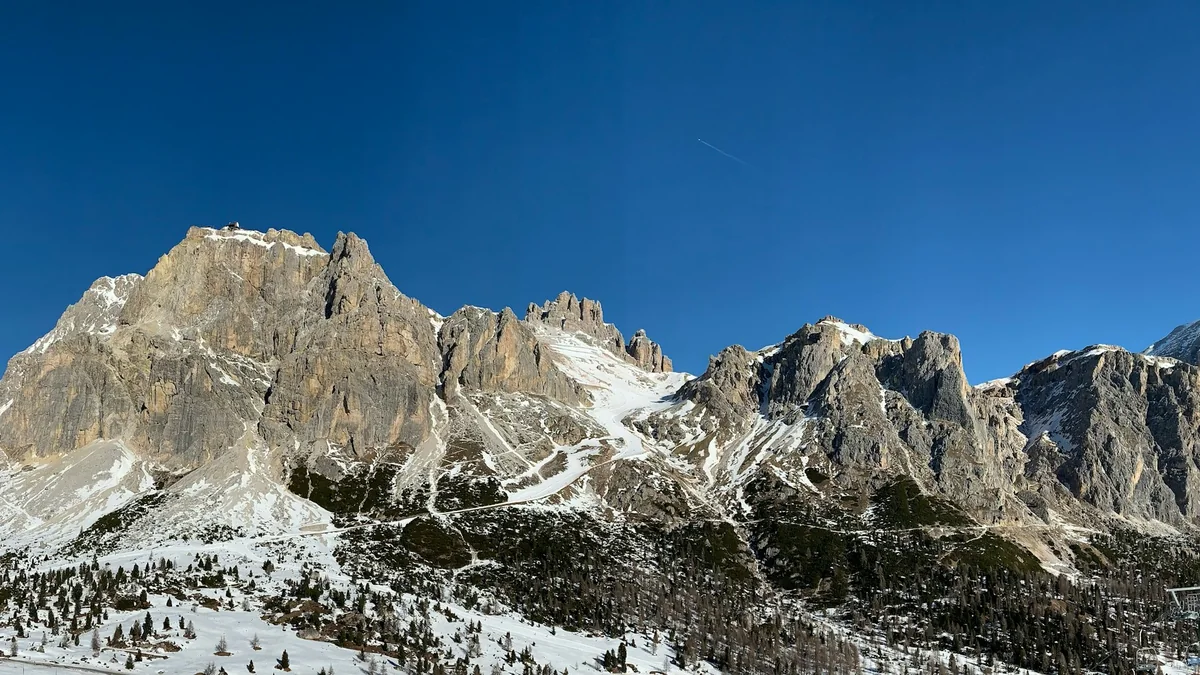
In the heart of the Ampezzo valley, in the Veneto, Cortina sits at around 1,220 metres in a wide bowl of pale Dolomite rock. The Tofane rise to the west, the Cristallo to the north-east, the Sorapiss and the Faloria to the south-east, and in the low winter sun their walls turn from grey to pink. The Dolomites have been a UNESCO World Heritage site since 2009, and few places sit as squarely in the middle of them as Cortina.
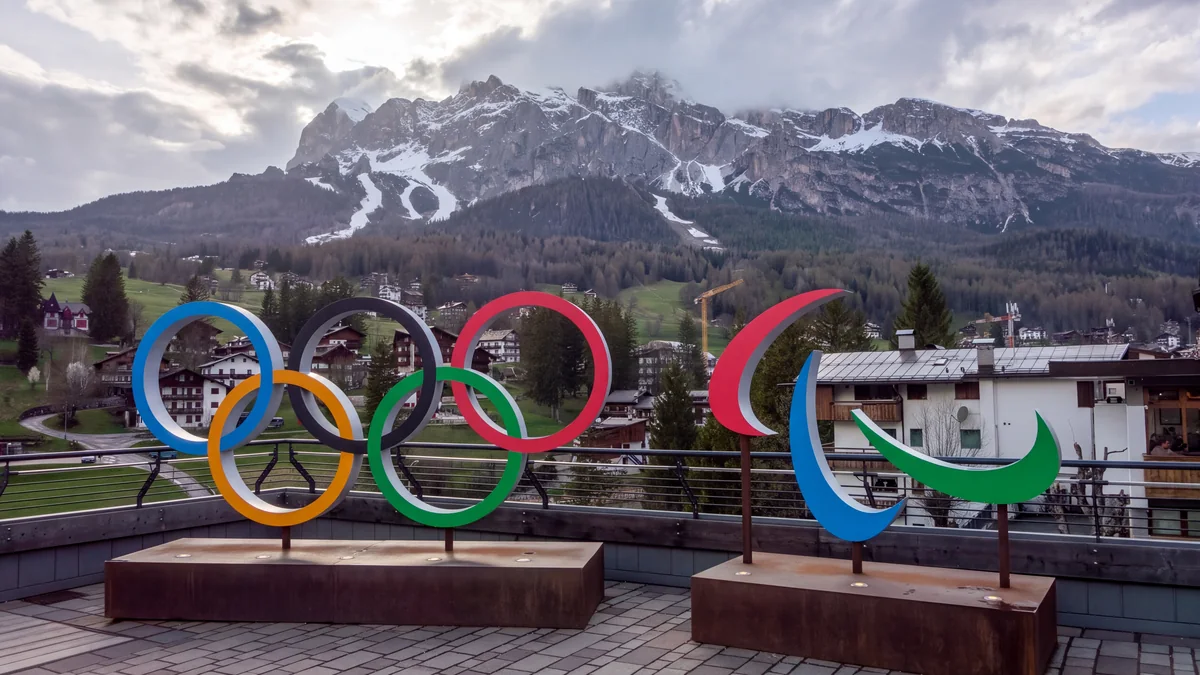
The town has hosted the Winter Olympics twice, in 1956 and again in 2026 alongside Milan, and it carries that history lightly. In the morning skiers set off for the Tofana and the Faloria; by late afternoon the Corso Italia, the pedestrian street through the centre, fills with people in fur and ski jackets taking an aperitivo. Chalets lie scattered across the meadows and woods around the town, many of them within walking distance of the centre and the lifts.
Our Cortina d'Ampezzo residences
The Cortina d'Ampezzo experience
The town in winter
The Corso Italia runs past the Basilica of Saints Philip and James, whose slender bell tower is visible from almost everywhere in the valley. Along it are jewellers, old family-run shops and pasticcerie, and in the early evening the whole of Cortina seems to walk it at least once. Above the town, the Olympic Ice Stadium of 1956 is still in use for skating and curling.
The Ampezzo valley has its own Ladin dialect and long traditions, from the carved wooden balconies of the old houses to the regole, the ancient communities that still manage the forests and pastures. For quieter days there are winter walks through the woods towards Fiames and Lago Ghedina, horse-drawn sleigh rides, and snowshoe routes up to the mountain huts above the town.
Tofana, Faloria and the Cinque Torri
Cortina's own ski area covers around 120 kilometres of pistes spread over several mountains. On the Tofana, reached directly from the centre, you will find the Olympia delle Tofane, where the women's World Cup downhill is held each January. Across the valley, the Faloria and the Cristallo offer sunny runs with views back over the town, and to the west, around the Cinque Torri and the Passo Falzarego, the pistes run among towers of rock.
From the Lagazuoi, at around 2,750 metres, starts the Hidden Valley: a long, quiet run through a side valley that ends at Armentarola in Alta Badia, where horses tow skiers along the last stretch. With the Dolomiti Superski pass, the same lift pass gives access to some 1,200 kilometres of pistes across the Dolomites, including the Sella Ronda. The season usually runs from late November or early December until after Easter.
Long lunches and an aperitivo
Lunch in Cortina is Italian and unhurried. At the Cinque Torri, the Rifugio Scoiattoli and the Rifugio Averau serve homemade pasta and polenta on terraces facing the towers; higher up, the Rifugio Lagazuoi looks out over a sea of peaks. In the woods just outside town, El Brite de Larieto is a farm restaurant known for its own cheese and butter.
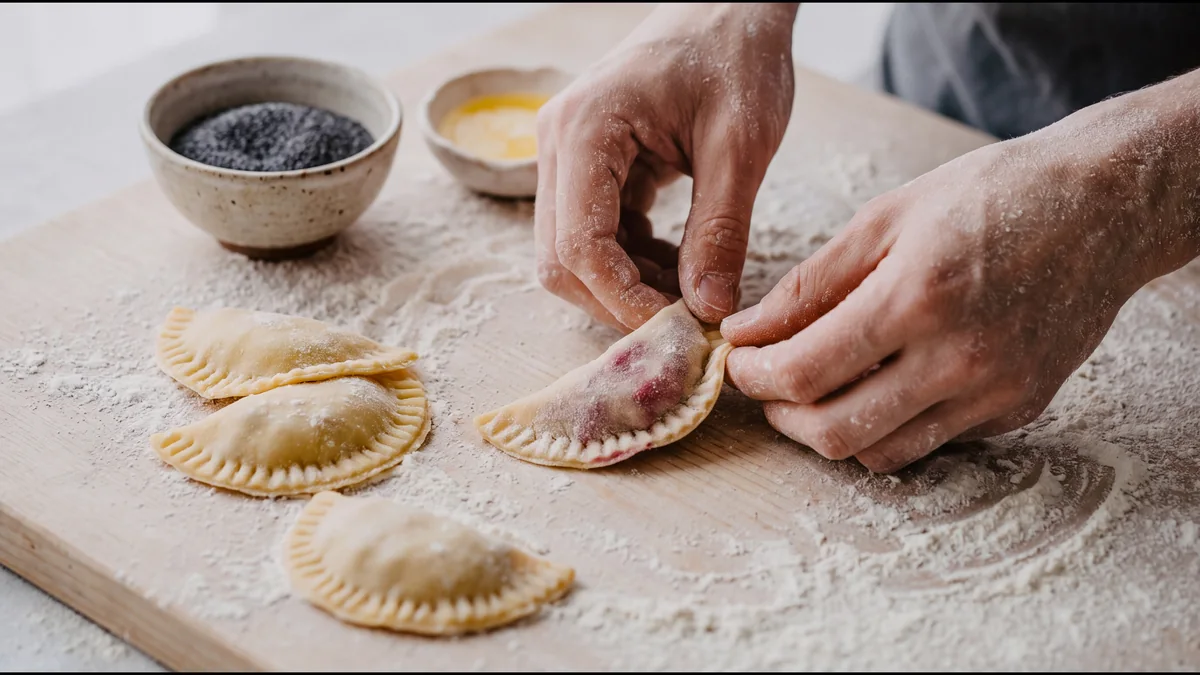
As the lifts close, the town comes alive. The aperitivo is a ritual here: a spritz or a glass of prosecco from the nearby hills of Valdobbiadene, taken in one of the bars along the Corso or on the terrace of a classic hotel. Dinner brings the dishes of the Ampezzo valley, such as casunziei, half-moon pasta filled with beetroot, alongside wines from the Veneto and nearby Alto Adige.
A week in Cortina d'Ampezzo
Take the cable car up the Lagazuoi and ski the long valley down to Armentarola, where horses pull you the final stretch.
A day-long circuit across the old First World War front line, past the Lagazuoi, the Cinque Torri and the Col di Lana.
At the Cinque Torri and on the Lagazuoi, restored trenches and tunnels from 1915 to 1917 can be visited on foot.
Each January the best women downhillers race the Olympia delle Tofane, just above the town.
Join the evening walk along the Corso Italia and end it with a spritz as the peaks turn pink.
Groomed tracks north of the town, partly along the line of the old Dolomites railway.
Did you know
Cortina hosted the Winter Olympics in 1956, the first Winter Games broadcast on television, and again in 2026 together with Milan.
The bobsleigh track bears the name of Eugenio Monti, the Italian bobsleigh champion who won two Olympic gold medals in 1968.
The town has appeared on screen in The Pink Panther (1963) and in the James Bond film For Your Eyes Only (1981).
The forests and pastures of the valley are still managed by the regole, communities of old Ampezzo families that date back to the Middle Ages.